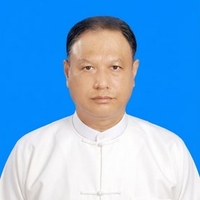
Soe Myint MAUNG
Myanmar Space Agency (MSA) • Chief Executive Officer
- Pascale EHRENFREUND
- Scott MADRY
- Jean-Yves LE GALL
- H.E. Dr. Mohammed Nasser AL AHBABI
- Gabriella ARRIGO
- Bruce CHESLEY
- Seishiro KIBE
- Valanathan MUNSAMI
- Minoo RATHNASABAPATHY
- Sergey SAVELIEV
- Mary SNITCH
- S. SOMANATH
- Dominique TILMANS
- Baohua YANG
- Deganit PAIKOWSKY
- Sergio MARCHISIO
- Geir HOVMORK
- Kai-Uwe SCHROGL
- Christian FEICHTINGER
- Peter JANKOWITSCH
- Clay MOWRY
- Tomifumi GODAI
- Elizabeth KORDYUM
- Meng ZHIZHONG
- Yu MENGLUN
- Roberto BATTISTON
- Barbara J. RYAN
- Charles F. BOLDEN
- Stanislav KONYUKHOV
- Berndt FEUERBACHER (1940 – 2020)
- Richard L. “DICK“ KLINE
- Yuri KOPTEV
- Manfred FUCHS
- Wang XIJI
- Norman CRABILL
- Hans E.W. HOFFMANN
- Paolo FERRI
- Vladimir KOPAL
- Edward C. STONE
- U.R. RAO
- Robert BRISKMAN
- Kiyoshi HIGUCHI
- Joan VERNIKOS
- Long LEHAO
- Faren QI
- Hiroki AKAGI
- Chiara COCCHIARA
- Emmanuelle DAVID
- Luis Ferreira
- Arnau PONS
- Bruno SARLI
- Olga STELMAKH DRESCHER
- Matteo Emanuelli
- João LOUSADA
- Avid ROMAN GONZALEZ
- Mia BROWN
- Seyed Ali NASSERI
- Michal KUNES
- Patrick HAMBLOCH
- Stephanie WAN
- Timiebi AGANABA JEANTY
- Laszlo BACSARDI
- Jessica CULLER
- Takashi OHTANI
- Victoria ALONSOPEREZ
- Andrea BOYD
- Amalio MONZON
- Ryan L. KOBRICK
- Yu XIAOZHOU
- Lulu MAKAPELA
- Christopher VASKO
- Guillaume GIRARD
- Michael BRETT
- Andrea JAIME ALBALAT
- Rui LI
- Nahum ROMERO
- Yusuke MURAKI
- Julio APREA
- Kimberley CLAYFIELD
- Kat Coderre
- Jacob SUTHERLUN
- Ariane CORNELL
- Kevin STUBE
- Danielle WOOD
- Nicolas PETER
- Trong THU VU
- Liz SEWARD
- Jackelynne SILVA-MARTINEZ
- Masami ONODA
- Charles DRAPER
- Konstantin BUSHUYEV
- Glynn S. LUNNEY
- Karl H. DOETSCH
- Marcio BARBOSA
- Krishnaswamy KASTURIRANGAN
- Gerhard HAERENDEL
- Kuniaki SHIRAKI
- Xingrui MA
- Koppillil RADHAKRISHNAN
- Virendra JHA
- Charles ELACHI
- Lei FANPEI
- Xia GUOHONG
- K. SIVAN
- Oleg ALIFANOV
- Leon HARRIS
- John S. LANGFORD
- Richard F. AMBROSE
- Jim BRIDENSTINE
- Mike PENCE
- Dan DUMBACHER
- Jeff BEZOS
- Sergey KRIKALEV
- Sylvain LAPORTE
- Jan WOERNER
- Hiroshi YAMAKAWA
- Yanhua WU
- Frank MORRING
- Lisa CALLAHAN
- Jeffrey Manber
- Norah Patten
- Ellen STOFAN
- Fatih OZMEN
- Daniel S. GOLDBERG
- Etienne SCHNEIDER
- Kay SEARS
- Scott PACE
- Clémentine DECOOPMAN
- Karen ANDREWS
- Juan DE DALMAU
- Pamela J. LINCOLN
- Bob SMITH
- Pontsho MARUPING
- Anond SNIDVONGS
- Zolana RUI JOAO
- Dipak SRINIVASAN
- Jennifer DOOLEY
- Karen KIRBY
- Thomas J. MAGNER
- Bill NYE
- Robert PAPPALARDO
- Kristin WEGNER
- Caroline JUANG
- Fabiana MILZA
- Jorge NICOLAS-ALVAREZ
- Ufuoma OVIENMHADA
- Carlos Augusto TEIXEIRA DE MOURA
- Giorgio SACCOCCIA
- Maria Cristina FALVELLA
- Josef ASCHBACHER
- Massimo COMPARINI
- Giovanni SYLOS LABINI
- Omar VALDES
- Karsten Danzmann
- James Brayshaw
- Juliette Lambin
- Gunter Schreier
- Jorge Menéndez
- Amalia Álvarez
- Caroll CARNETT
- Giulia Maria BERARDI
- Silvia ANTOLINO
- Isabella MARCHISIO
- Myriam MORABET
- Emma BOISDUR
- Martina FABBIANI
- Evelina HEDMAN
- Giulia ANGELETTI
- Alessandra D’ARGENIO
- Stefano PASCALI
- Carina VIEHBOECK
- Yasir ABBAS
- Martin FEICTHINGER
- Elena FEICHTINGER
- Michel ARNAUD
- Tidiane Ouattara
- Driss El Hadani
- Jean-Pascal Le Franc
- Chris Lee
- Rashad Nabiyev
- Mohamed Bayoumy AbdelKader Zahran
- Oliver Juckenhoefel
- Kyle ACIERNO
- Luigi SCATTEIA
- Jean-Loïc Galle
- Stuart Martin
- Sias Mostert
- Vitaly Safonov
- Steve Bochinger
- Kirsten Armstrong
- Thomas ZURBUCHEN
- Nicola J. FOX
- Laurence MONNOYER-SMITH
- Neil JACOBS
- John LOGSDON
- Buzz ALDRIN
- Doug WHEELOCK
- Rick Armstrong
- Zhong Penghua
- Talal Al Kaissi
- Mmboneni Muofhe
- Joerg Kreisel
- Jean-Marc Gardin
- James GREEN
- D.K. Das
- Kenneth Bowersox
- Jérôme Breteau
- Gary Henry
- Denise Kopecky
- Steve Clarke
- George Schmidt
- Rolf Janovsky
- Setsuko Aoki
- Mauro Patroncini
- Linda Elkins-Tanton
- Brian Muirhead
- David C. Folta
- Ethiraj Venkatapathy
- Kent Rominger
- Christine Charles
- Mengu Cho
- Carlos Niederstrasser
- Frank White
- Satoshi Matsumoto
- Peter C.E Roberts
- Yanping Guo
- Kathleen Boggs
- Rhoda Shaller Hornstein
- Lawrence Friedl
- Andrew Klesh
- Marius Wilhelm
- Chris Blackerby
- Kristen J. Erickson
- Agnieszka ŁUKASZCZYK
- Kenneth GETZANDANNER
- H.E. Salem Humaid ALMARRI
- Adnan AL RAIS
- Saud KARMASTAJI
- Mariam AL ZAROONI
- Jie YUAN
- Christoph ZOTT
- Idriss SISAID
- Jan KOLAR
- Dawoon JUNG
- Lyle ROBERTS
- Zubin OLIKARA
- Lionel BAIZE
- Gerard BRACHET
- Dan SNUSTAD
- Cath WESTCOTT
- Mariana MANEIRO BRUMLIK
- Guillermo SALVATIERRA
- Daniela GENTA
- Kuninori UESUGI
- Catherine DOLDIRINA
- Beatrice BARRESI
- Azzedine OUSSEDIK
- Claire JOLLY
- Sohrob MOTTAGHI
- Tetsuo YASAKA
- John FREISINGER
- Philippe GLAESENER
- Thorsten RUDOLPH
- Karsten GEIER
- Maria DEL LUJAN FLORES
- Tony AZZARELLI
- María de las Mercedes Esquivel de Cocca
- Didier LAPIERRE
- Vance Y. Hum
- Xu YANSONG
- Javier PRECIOZZI
- Gale ALLEN
- Pablo BRENNER
- Lu YU
- Scott LARSON
- Oleg Ventskovsky
- Bernhard HUFENBACH
- Uli FRICKE
- Simon GRAY
- Takayuki KAWAI
- Rachel VILLAIN
- Constant CHUMA
- Wei CHUANFENG
- Antoine GEISSBUHLER
- Karin NILSDOTTER
- Eric WILLE
- Pouyan AZARI
- Roger HSU
- Chris WELCH
- Robin GEISS
- Yasuyuki ITO
- Max BEAUMONT
- John PURVIS
- Tracie PRATER
- Badri YOUNES
- Daria TATAJ
- Kishor ACHARYA
- Silvia CICCARELLI
- Andreas VEISPAK
- Andrea BOESE
- Marten JURG
- Olga VOLYNSKAYA
- Didier MORANCAIS
- Amnon GINATI
- Zhang Xiamin
- Zhang Rongquiao
- Kenneth Hodgkins
- JIANG Hui
- Awni Khasawneh
- Steve Durst
- Wang Quoqing
- SHI Sihan
- BAI Zhaoguang
- XU Liping
- Piero MESSIDORO
- Dengyun YU
- Christian HEIPKE
- Niels ELDERING
- Hector FENECH
- Jeroen ROTTEVEEL
- G. Madhavan NAIR
- Lesley JANE SMITH
- William A. LAPLANTE
- Lyn D. WIGBELS
- Daniel CALLEJA CRESPO
- Amalia Ercoli-Finzi
- Devi R. GNYAWALI
- Luise WEBER-STEINHAUS
- Aarti HOLLA-MAINI
- Ukaegbu Kingsley OGOCHUKWU
- Yasunori MOCHIZUKI
- David SPENCER
- Yunus Emre ARSLANTAS
- Ray O. JOHNSON
- Detlef MULLER-WIESNERS
- Reuben JIKEME UMUNNA
- Philip A. GARRANT
- Kattia FLORES POZO
- Anne-Marie MAINGUY
- Norilmi Amilia ISMAIL
- Alessandro GOLKAR
- Allan D. EMIL
- Kathryn L. LUEDERS
- Khalid AL AWADHI
- Bernd J. HOEFER
- Ken DAVIDIAN
- Luca DEL MONTE
- Gian GHERARDO CALINI
- Sanat Kumar BISWAS
- Walter PEETERS
- Dmitry PAYSON
- Natalia Indira VARGAS-CUENTAS
- Luis Enrique SALAVERRIA MOREIRA
- Steve Lee
- Roger Launius
- Eric Morel de Westgaver
- Jean-Jacques DORDAIN
- Yafeng Hu
- Steve MacLean
- P.S. Veeraraghavan
- Enrico Saggese
- Keiji Tachikawa
- Antonio Abad Martin
- James Chilton
- Marco Fuchs
- Vincenzo Giorgio
- V.S. Hegde
- Giuseppe Lenzo
- Mario Cosmo
- Alan Bond
- Enrico FLAMINI
- William Gerstenmaier
- George Nield
- Silvio Sandrone
- Georges Whitesides
- Simonetta di Pippo
- Grazia Vittadini
- Jean-Marc Comtois
- Anatoli Grigoriev
- Chiaki Mukai
- Thomas Reiter
- Jeffrey R. Davis
- Yvon Henri
- Franco Bonacina
- Roger-Maurice Bonnet
- William J. Borucki
- Widad Elkachradi
- Stephan ULAMEC
- David Finkleman
- Carlo Mirra
- W. Michael Hawes
- Uli Bobinger
- Isaac Ben-Israel
- Xu Dazhe
- Igor Komarov
- Elzbieta BIENKOWSKA
- Lindley JOHNSON
- Namira SALIM
- Eric STALLMER
- Margaret KIEFFER
- Kevin O'CONNEL
- Bob RICHARDS
- Ryan WHITLEY
- Donato AMOROSO
- Andrew RUSH
- Stéphane ISRAËL
- Gwynne SHOTWELL
- Brent SHERWOOD
- Brian WEEDEN
- Bill BECKMAN
- Pierre DELSAUX
- Jennifer WARREN
- Jim CHILTON
- Chris FERGUSON
- Mark MULQUEEN
- Joe LANDON
- Peter BECK
- Takeshi HAKAMADA
- Nobu OKADA
- Chester GILMORE
- Lynn ZOENEN
- Lluc DIAZ
- Christian DOMMEL
- Van ESPAHBODI
- Lori GARVER
- Richard LEACH
- Thomas SNITCH
- Xiaoming YIN
- Aoife VAN LINDEN TOL
- Nelly BEN HAYOUN STEPANIAN
- Michael GARRETT
- Sitraka RAKOTONIAINA
- Marius-Ioan PISO
- Shirish RAVAN
- Jonathan HUNG
- Amal CHANDRAN
- Tan Kong HWEE
- Lynette Tan
- Harris CHAN WENG YIP
- Pieter VAN BEEKHUIZEN
- Karina MIRANDA SANCHEZ
- Bill MCNALLY
- Philippe PHAM
- Robbie SCHINGLER
- Edward SWALLOW
- Bretton ALEXANDER
- Libby JACKSON
- Clive NEAL
- Bernardo PATTI
- Marshall SMITH
- Johannes VON THADDEN
- Juan Carlos CORTES
- Athena COUSTENIS
- Steve LINDSEY
- David PARKER
- John THORNTON
- Michael LÓPEZ-ALEGRIA
- Greg C. JOHNSON
- Clare PELLY
- Daniel DURDA
- Pam MELROY
- Beth MOSES
- Ron ROSANO
- Koichi WAKATA
- Alexander MACDONALD
- Naoki SATO
- George SOWERS
- Jim ARMOR
- Bhavya LAL
- Daniel Nölke
- Bernd SOMMER
- Chris NIE
- Gary MARTIN
- Andy BOWYER
- William CROWE
- Gareth KEANE
- Temidayo ONIOSUN
- Joost VAN OORSCHOT
- Megan KANE
- Lisa JOHNSON
- Ann-Sofie SCHEURS
- Nancy WOLFSON
- Jim KERAVALA
- Isabelle DUVAUX-BECHON
- Ganiyu ISHOLA AGBAJE
- Davide PETRILLO
- Steve JURCZYK
- Jennifer EDMUNSON
- Nikki WERKHEISER
- Christina Giannopapa
- David Korsmayer
- Martin N. Sweeting
- Andres Martinez
- David Nabarro
- Yiran WANG
- Ines PRIETO
- William HARRIS
- Jean Baptiste DESBOIS
- Mingzhu ZHANG
- Asanda NTISANA
- Adiatou FATTY
- Adigun ADE ABIODUN
- Francis CHIZEA
- Antonio DEL MASTRO
- George DANOS
- Barbara IMHOF
- Maria Antonietta Perino
- Bernhard REBELE
- Robert ZUBRIN
- Santo Marcello ZIMBONE
- Jolanda Van EIJNDTHOVEN
- Carissa BRYCE CHRISTENSEN
- Nikolai KHLYSTOV
- Francesca LETIZIA
- Pavlo TANASYUK
- Jean-Luc BALD
- Krzysztof KANAWKA
- Leland MELVIN
- Mary Cleave
- André KUIPERS
- Margaret WEITEKAMP
- Art DULA
- Ariel EKBLAW
- Mékell MIKELL
- Oleg KOTOV
- Mariella GRAZIANO
- Alex KARL
- Norbert Frischauf
- Livio NARICI
- Oleg ORLOV
- Jens JORDAN
- William H. PALOSKI
- Isabelle TREMBLAY
- Masaki SHIRAKAWA
- Maxim KHARLAMOV
- Jennifer FOGARTY
- Michelle RUCKER
- James Graf
- Harry Cikanek
- Michael H. FREILICH
- Stephen Volz
- Alain RATIER
- Sandra A. CAUFFMAN
- Kazuo TACHI
- Janine GEIJSEN
- Debbie SCHOUTEN
- Jacqueline VIZEE
- Helen KUIPERS
- Zoran VAN GESSEL
- Max LOUWERSE
- Peter VAN KRANENBURG
- Lucianne WALKOWICZ
- Sara SEAGER
- Bill DIAMOND
- Andrew SIEMION
- Claire Isabel WEBB
- Will MARSHALL
- Rebecca MOORE
- Peter PLATZER
- Lucien RAPP
- George Anthony LONG
- Cristiana SANTOS
- James PARR
- Brian ISRAEL
- Thomas FOUQUET
- Daniel OLTROGGE
- Christina CIARDULLO
- Brand GRIFFIN
- Leonard DAVID
- Martin STASKO
- Ayami KOJIMA
- Jean-François CLERVOY
- Arthur NIELSEN DEMAIN
- George PROFITILIOTIS
- Milica MILOSEV
- Alvaro ALONSO RUIZ
- Gary CALNAN
- Mark LONGANBACH
- Jeremy SCHIEL
- Guillaume TANIER
- Deborah TOMEK
- Keith BELVIN
- Dale ARNEY
- Jay PITTMAN
- John VICKERS
- Ben REED
- Douglas TERRIER
- Erica RODGERS
- David H. SMITH
- Lisa M. PRATT
- Michael MEYER
- Jeanne HOLM
- Katherine TOWNSEND
- Rhiannan PRICE
- Ian SHULER
- Yeama THOMPSON
- Geoffrey KATERAGGA
- Ksenia LISITSYNA
- Ewan REID
- Martin RISTOV
- Kshitij KHANDELWAL
- Joshua MOSER
- Nan YU
- Ulf ISRAELSSON
- Bradley CARPENTER
- Robert THOMPSON
- Holger MUELLER
- Ernst RASEL
- Sheng-Wey CHIOW
- Jason WILLIAMS
- Babak SAIF
- Matthew SQUIRES
- Olga Bannova
- Stefano Ferretti
- Klaus Schilling
- Geilson Loureiro
- José F. Valdés-Galicia
- Saul D. Santillán Gutierrez
- Massimiliano Vasile
- Francesco Topputo
- Naoto Matsuura
- Sirisha BANDLA
- Cody KNIPFER
- Jeff TRAUBERMAN
- Karina DRESS
- James LINTER
- Wayne MONTEITH
- Nina ARMAGNO
- Justin KUGLER
- Kevin DIMARZIO
- Raymond G. CLINTON JR.
- Pontus C. BRANDT
- Michael PAUL
- Michel BLANC
- Robert F. WIMMER-SCHWEINGRUBER
- Stanislav BARABASH
- Mark RAWLINS
- Zorana DANCUO
- Sergii KUZKOV
- Jonathan LUN
- Kathy LAURINI
- Ingo BAUMANN
- François RANCY
- Naoki Okumura
- Rania Toukebri
- Elhachmi Essadiqi
- Otto KOUDELKA
- Aimin NIU
- Amal LAYACHI
- Pierluigi Mancini
- Jörg Feustel-Büechl
- Carlo Viberti
- Kammy BRUN
- Kasia Clatworthy
- Nomfuneko Majaja
- Yuan Hongyi
- Lon Levin
- Cornelis J.J. Eldering (Niels)
- Ben Baseley-Walker
- Tobias Aebi
- Takayoshi Fukuyo
- Luciano Saccani
- Irmgard Marboe
- David Kendall
- Mohammed Khalil Ibrahim
- Marta Gaggero
- Fernando Brum
- Jean-Jacques Tortora
- Magda Cocco
- Jairo Becerra
- Tanja Masson-Zwaan
- Pilar ZAMORA ACEVEDO
- Krystal AZELTON
- Neevy van Laningham
- Rei Kawashima
- Andiswa MLISA
- Jean-Philippe Duval
- Adam Lewis
- Imane El Khantouti
- David Korsmeyer
- Giorgio Sacoccia
- Zhou Jianping
- Noam Segal
- Marco Villa
- Takeshi MORITA
- Hans-Joerg Dittus
- Dan HENDRICKSON
- Takahiro NAKAMURA
- Craig TIBBETS
- Christophe BONNAL
- Diane HOWARD
- Moriba JAH
- Corinne JORGENSON
- Jessica DEIHL
- Lisette WASHINGTON
- William JOHNSON
- David LOPEZ
- Christine PHAM
- Brian STANFORD
- Dan HICKS
- Carley SCOTT
- Roberto VITTORI
- Tory BRUNO
- Hideaki SHIROYAMA
- Koichi KIKUCHI
- Motoko MIZUNO
- Mukund KADURSRINIVAS RAO
- Yuri TAKAYA
- Quentin VERSPIEREN
- Frans VON DER DUNK
- Giovanni Gronchi
- Daniel Scheeres
- Dolado Perez
- Piers J. Sellers
- Chu Ishida
- Hartmut Grassl
- Volker Liebig
- Alberto Moreira
- Gerd Gruppe
- John M. Horack
- Yuya Nakamura
- Tom Segert
- Pete Worden
- Abdellatif Loudiyi
- Moulay Hafid Elalamy
- Paolo Bellomi
- Stefano Bianchi
- Augusto Cramarossa
- Emanuela D’Aversa
- Arturo de Lillis
- Louis Laurent
- Pierluigi Pirrelli
- Cosmo Casaregola
- Hervé Gilibert
- Vincent Jacod
- Tsvika Kopelman
- Kristian Pauly
- Mitchell L. R. Walker
- Claudia Kessler
- Marillyn A. Hewson
- Vladimir L. Solntsev
- Bernard Foing
- Giampiero Tonoli
- Jillianne Pierce
- Zvika Zuckerman
- Yaaqov Sharony
- Jacob Herscovitz
- Jacob Cohen
- Eric Bershad
- Dorit Donoviel
- Hanspeter Esriel Killer
- Benjamin Levine
- Karina Marshall Bowman
- Jörn Rittweger
- José Mariano López Urdiales
- Dimitris Bountolos
- Reinhold Ewald
- Alexei Leonov
- Dumitru-Dorin Prunariu
- Sunita Williams
- Eyal Ben Dor
- Pierric FERRIER
- Ehud HAyun
- Arnon Karnieli
- Jose Moreno
- Andreas Mueller
- Stefano Pignatti
- John Elbon
- Tsutomu Fukatsu
- Robert Hauser
- Yuriy Makarov
- Lee Rosen
- Lin Shen
- Gaele Winters
- SONG Zhengyu
- Xiaojun WANG
- Li Yinong
- Ni Jinsheng
- Julie Robinson
- Jean–Dominique Coste
- Jason Dunn
- Jun Shimada
- Julia Stalder
- Luis Zea
- Ofir Azriel
- Opher Doron
- Steven Freeland
- Barry Matsumori
- Mike Safyan
- Soichi Noguchi
- Christer Fuglesang
- Cristian Bank
- Andy Turnage
- Oleg Gorshkov
- Peter Batenburg
- Wanda Sigur
- Dominic A. (Tony) Antonelli
- Stamatios Krimigis
- Ralph McNutt
- Harold A. Weaver
- Jonathan I. Lunine
- Francisco Javier Mendieta Jimenez
- Gerardo Ruiz Esparza
- Greg Wyler
- Ruy Pinto
- Steve Collar
- Carlos Slim Helú
- Matthew J. Desch
- Mauricio Bouroncle
- Elyka Abello
- Marek Novák
- Sinead O’Sullivan
- John B. Charles
- Cheryl REED
- Charles Whetsel
- Masaki Fujimoto
- Heiner Klinkrad
- Jer Chyi Liou
- Holger Krag
- Michael Lindsay
- Stephan Hobe
- Elon Musk
- Bénédicte Escudier
- Marc Vales
- Paul Jaffe
- Zonglin Jiang
- Max Calabro
- Pierre Rochus
- Michele Vallisneri
- Kimiya Komurasaki
- Gerard Gomez
- Ming LI
- Lihua Zhang
- Rob Meyerson
- James H. Crocker
- Michael Suffredini
- Chris Boshuizen
- Fritz Merkle
- Philippe Moreels
- Bart Reijnen
- Dick Rocket
- Sandy Magnus
- Frank Flechtner
- Walter Naumann
- Claus Lämmerzahl
- Éric Laliberté
- Leon Alkalai
- Steve Ankuo Chien
- Tom Enders
- Maggie Aderin-Pocock
- Attila Matas
- LI Xinjun
- Dava Newman
- Carmen Felix
- Alexander Degtyarev (1951-2020)
- Erin Greeson
- V. Koteswara Rao
- Paul Hardisty
- Robert Lightfoot
- Tian Yulong
- Steve Eisenhart
- David Williams
- Brian Schmidt
- Michael DAVIS
- Madis Vooras
- Robie I. Samanta Roy
- David Ball
- Scott Kordella
- Paul Welsh
- Lani M. Smith
- Brienna Henwood
- Michael K. Simpson
- Christianna Taylor
- Doris Grosse
- Andrew Ratcliffe
- Luc St-Pierre
- Wei-Yu Louis Feng
- Matjaz Vidmar
- Joo-Jin Lee
- Tai Sik Lee
- Raul Carrillo
- Melchor J. Antuñano
- Vera Mayorova
- Olga Zhdanovich
- Francois Rivasseau
- Monika Johanna Pardo Spiesse
- Tony Colucci
- Shahida Barick
- Robert Feierbach
- Michel Frezet
- Peter Swan
- Paul Sheridan
- Tom Wilson
- Stuart MINCHIN
- Aditya Agrawal
- Grega Milcinski
- Brendan Bouffler
- Danielle RICHEY
- Rob CHAMBERS
- Timothy CICHAN
- Meir Moalem
- Lynn Cominsky
- John C. MANKINS
- Dayong Zheng
- Pierre Molette
- Vasily Novozhilov
- Mariano Andrenucci
- Filippo GRAZIANI
- Tom Martin
- Suraj Rawal
- Sam SCIMEMI
- Roger X. Lenard
- Luis Gomes
- Travis Langster
- Peter MARQUEZ
- Scott Fouse
- Flavia Tata Nardini
- Tim Parsons
- Richard DalBello
- Alexander Derechin
- Frank M. SALZGEBER
- Kira A. Blackwell
- Tytus Michalski
- Yongchun XIE
- Christopher Pyne
- Koji TERADA
- Andrew Jacopino
- Giuseppe Morsillo
- David Bond
- Toni TOLKER NIELSEN
- Jim Morrison
- Ron Schwenn
- Roy Zacharias
- Hiroyuki Kishindo
- Andy Cornfield
- Steve Miller
- Ole Dokka
- Sebastian Straube
- Kejian ZHANG
- Dmitry LOSKUTOV
- Marc Avila
- Takuya Onishi
- Hanns-Christian Gunga
- Christiane Heinicke
- Alison Lowndes
- Hervé Clauss
- Ed Ashford
- Carlos Alvarado Briceño
- Thomas Djamaluddin
- Jacques Breton
- Naomi Mathers
- Mark Sirangelo
- Marc Serres
- Troy McCann
- Anastasiia Volkova
- Ana-Mia Swardt
- Alec Courtright
- Thomas Jarzombek
- Nicolas Chamussy
- Patrick Michel
- Marco Witzmann
- Deepak Atyam
- Jun Gomi
- Peter MARTINEZ
- Marco Gómez-Jenkins
- Ekaterina Timakova
- David Henri
- Christian Sallaberger
- Yang Hong
- Raul Kulichevsky
- Fernanda Lins Leal Uchôa de Lima
- Gerardo Richarte
- Gustavo Crespi
- Guadalupe Tiscornia
- Julio Castillo-URDAPILETA
- Roberta Mugellesi-Dow
- Gonzalo Tancredi
- Gustavo Necco
- Alejandro de Fuentes Talice
- Andy Lucas
- Isao Kotani
- Martin Rodriguez de los Santos
- Christian Lange
- Liu Jizhong
- Liu Shiquan
- Wu Ji
- Wu Yansheng
- Liwei YANG
- Khaled Al Hashmi
- Mohammed Bekhti
- John Njoroge Kimani
- Seidu Onailo (S.O.) Mohammed
- Mahama Ouedraogo
- SUN Weigang
- Roberto PROVERA
- GUO Linli
- Chan Kwing Lam
- Gerhard Schwehm
- Li Chunlai
- JIA Mu
- Andreas Rittweger
- Jorge DEL RIO VERA
- Peter Woodgate
- Phil Delaney
- Maurice Borgeaud
- Gary Maguire
- Masanori Homma
- Stuart Phinn
- Paul Kamoun
- Fabrice Triffaut
- Francesco Pisano
- Matthias Motzigemba
- Jens Große
- Sagi Kfir
- Olavo de Neto Bittencourt
- Ian Crawford
- Sophia Casanova
- Chris Johnson
- Riheng Zheng
- Michael Smart
- Isabelle Kingsley
- Alan Duffy
- Lisa Kewley
- Sarah Pearce
- Steven Tingay
- Chris Tinney
- Matthew Bailes
- Nicola Zaccheo
- Frank L. Culbertson
- Omran SHARAF
- Saeed Al Gergawi
- Shiro Yamakawa
- Phil Stimson
- Steve Townes
- Gerd Rudolf Kraft
- Liu Xin
- Kang Qi
- Zhuang Fengyuan
- Alice Gorman
- Tare Brisibe
- Yasushi Horikawa
- Shouping Li
- K.R.S. Murthi
- Jana Robinson
- Emma Fry
- Rafael Jorda-Siquier
- Aafaque Khan
- Ruth McAvinia
- Allessandro Coletta
- Yoichi Kamiyama
- Marcello Maranesi
- Denis Moura
- Stefano Rivola
- Yang Liu
- Zhaoyao WANG
- Richard Cook
- A.S. Kiran Kuma
- Qin ZHANG
- Luigi DE MAGISTRIS
- Gong JINYU
- Patricia HYNES
- Annie MOULIN
- Rijendra THAPA
- Dennis STONE
- Heung-Sik CHOI
- Wei SUN
- Paul COUNET
- Eilene GALLOWAY
- Houlin ZHAO
- Khalid AL-AWADI
- Anne SULLING
- Robert (Bob) Richards
- Mikhail B. Kornienko
- Michael B. Stenger
- Nick Kanas
- Jeffrey Sutton
- Yi-Xian Qin
- Thais Russomano
- Li Yinghui
- Giulia Federico
- José Javier Roch Soto
- Rodrigo da Costa
- Hugo Simões
- Angelika Daniels
- John ROTH
- Xavier Pasco
- Peter Hays
- Brett Biddington
- Serge Plattard
- John D. Rummel
- Kasthuri Venkateswaran
- Claas Ziemke
- Pierros Papadeas
- Artur Scholz
- Daniel Stefl
- Hui Du
- Vincenzo Aquaro
- Christian Steimle
- Amy Hauser
- Ken Shields
- Robert T. Richards
- Ludger Froebel
- Julie Maupin
- Dimitra Stefoudi
- Armin Dammann
- Dmitriy Shutin
- Fred Hadaegh
- Detlef Wilde
- Timothy Stryker
- Astrid-Christina Koch
- Tim Newman
- Nicolaus Hanowski
- Zoltan Szantoi
- Peter Doucette
- Martin Polak
- Carsten Brockmann
- Steven Covington
- Rafał Modrzewski
- François Lombard
- Thibaud Delourme
- Ruth Pritchard-Kelly
- Paul Flament
- Heinz STOEWER
- Rolf Henke
- Ingo Engeln
- Terry J. Hendricks
- David F. Woerner
- Oliver Funke
- Sam Thurman
- Thomas Cwik
- Julie PATARIN-JOSSEC
- Justin St. P. Walsh
- Jacques Arnould
- Jules Grandsire
- John Charles
- Mikko Suominen
- Markus Krutzik
- Oliver Anton
- Akash Kaparthy
- Alexander Ling
- Ronald Holzwarth
- Thomas Driebe
- Stephan Seidel
- Eamonn Murphy
- John CONNOLLY
- Markus Landgraf
- Jason Crusan
- Paul Fulford
- Iwao IGARASHI
- Hiroshi Ueno
- Christian Fidi
- Sho Nakanose
- Matthias Simnacher
- Tom Vergoossen
- Liao Shengkai
- Harald Weinfurter
- Morio Toyoshima
- David Mitlyng
- Paolo Bianco
- Heike Poignand
- Fatoumata Kebe
- Ayu Abdullah
- Lucie Poulet
- Lisseth Gavilan
- Erika Wagner
- Alan Stern
- Thorben Könemann
- Steven Collicott
- Nikolaos Spyropoulos
- Eleazar González
- Narayan Prasad Nagendra
- Leehandi de Witt
- Meidad Pariente
- Justin Wang
- Prateep Basu
- Kim Ellis
- Miranda Fateri
- Nina Kopacz
- Bram de Winter
- Daniel Noelke
- Joseph D. Anderson
- Xavier Lacombe
- Dan King
- Yann GOUY
- Arnon Spitzer
- Luca Rossettini
- Darvas Ferenc
- Csaba Janáky
- Richard Jones
- Guy Samburski
- B. Frank Gupton
- Markus JÄGER
- Siegfried Monser
- Bas Theelen
- Jens Lassmann
- Nico Dettmann
- William Hartwell
- Ademir Vrolijk
- Zoe Szajnfarber
- Jennifer Gustetic
- Leopold Summerer
- Martin Buscher
- Alexandre Vallet
- Hans Blondeel Timmerman
- Raghu Das
- Per Koch
- Katherine Monson
- Samantha Christey
- Isabelle Ortmans
- Michael Kramer
- Camilla Colombo
- Marc C. Lange
- Piero MESSINA
- Alberto Ramirez
- Christopher Richins
- Gerald Hagemann
- Valentina Shevtsova
- Guy Pignolet
- Jean-Francois Guery
- Klaus Hannemann
- Marco Ferrazzani
- Bradley Schneider
- Eberhard Gill
- Gerben Sinnema
- Darren McKnight
- Paolo Lozano
- Ulrich Gotzig
- Cenan Al-Ekabi
- Joachim Post
- Lena De Winne
- Evgeny Mikrin
- Juergen Ackerman
- Nicolas Faber
- Karsten Becker
- Ahsan Choudhuri
- Peter McGrath
- Megan Clark
- Bruno Correia Da Costa
- Michael Lohnert
- Antje Bulmann
- Chris Moran
- Grégory Pradels
- Jim Bell
- Dirk Lorenzen
- Martin Guenthner
- Matthias Maurer
- Luce Fabreguettes
- Pierre Godart
- Enrico Chesta
- Hans Koenigsmann
- Alexander Gerst
- Ernst Messerschmid
- Lei ZHANG
- Chiara Manfletti
- Matt Tetlow
- Ernst Pfeiffer
- Leo Loiacono
- Andrea Zanini
- Cristina Valente
- Graham Turnock
- John MULHOLLAND
- Rommy Arndt
- Stefan Klocke
- Andreas Hammer
- Marco Berg
- Advenit Makaya
- Matthias Sperl
- Peter WEISS
- Robert Davenport
- Antonella Sgambati
- Anna Daurskikh
- Harald Hauschildt
- Christoph Marquardt
- Timo Stuffler
- John Burrows
- Charlotte Bewick
- Audrey BERQUAND
- Linqi ZHU
- Didier Schmitt
- Ntorina Antoni
- Eleanor Morgan
- Maarten Adriaensen
- Aline Decadi
- Jeroen Glazener
- Manny SHAR
- Robert Boehme
- Andrew Herd
- Yuguang YANG
- Lisa La Bonté
- Marc Scheper
- Ian Carnelli
- Linda Singleton
- Rosita Suenson
- Barbara Zelon
- Henk ROGERS
- Maria Grulich
- Agata Kołodziejczyk
- Antonio Martelo
- Frank Dannemann
- Dietmar Ratzsch
- Robert Axmann
- Giuseppe REIBALDI
- Melanie King
- Kate Arkless Gray
- Rob La Frenais
- Yoshifumi Inatani
- Toby Clark
- Carlo Des Dorides
- Vladimir PLETSER
- Markus Braun
- Derek Gawanlock
- Jean-Baptiste Renard
- Hanns Selig
- Nigel Savage
- Randall E. Sweet
- Yasu Yamazaki
- Bill Gattle
- Kim DOERING
- Kendra HORN
- Mike FRENCH
- Caroline Thro
- Angelo Cervone
- Laurent Jaffart
- Hui Chen
- Simon Feast
- Emiliano Casalicchio
- Ghanim ALOTAIBI
- Antje STAMM
- Adriana ANDREEVA-MORI
- Clement GOUJON
- Takeshi SHOJI
- Apollo 11 Crew
- Ingemar Skoog
- Pierre Ranzoli
- Rosa Maria RAMIREZ DE ARELLANO Y HARO
- Antonio Viviani
- Carolyn Knowles
- Chong Yean Joo Augustine
- Frank Friedlaender
- Jim Zimmerman
- Orna Marie Orshan
- Suszann Parry
- Ahmed FARID
- Arun Misra
- Junhua Yang
- Brent Smith
- Jean-Pierre Marec
- Karlheinz Kreuzberg
- Aaron Janofsky
- Stacey Edgington
- Sergei Chernikov
- John-David Bartoe
- Lewis Peach
- Michael Sheetz
- Oren Milstein
- Laura Huang
- Boris PSCHENICHNER
- Bryan DEBATES
- Kerry Timmons
- Kirk Shireman
- Shelby Hopkins
- Masatoshi Nagasaki
- Turki Bin Saud Bin Mohammad Al Saud
- Ersilia Vaudo
- Hilde Stenuit
- Andrei Sapera
- Nicolas Clémencin
- Naeem Altaf
- William Carbone
- Matthias Biniok
- Jean-Marc Nasr
- WU Weiren
- Zezhou SUN
- Timothy Maclay
- Steve Jolly
- Mika OCHIAI
- Walter CUGNO
- Lori GLAZE
- Albert HALDEMANN
- Yan GENG
- Lisa CAMPBELL
- Dmitry ROGOZIN
- Abbie HUTTY
- Eleonora ZEMINIANI
- Nelly OFFORD
- Giada MEOGROSSI
- Mariam Naseem
- Elizabeth BARRIOS
- Joshua INGERSOLL
- Tobias NIEDERWIESER
- Julie Ann BANATAO
- Walther PELZER
- Pooja PANDEY
- Mathieu QUATREVALET
- Paola BELINGHERI
- Pedro DUQUE
- Yue ZOU
- Le LIU
- Kevin XU
- Didier RADOLA
- Lisa MAY
- Camille ALLEYNE
- Richard ARNOLD
- Cady COLEMAN
- Oleg Georgievich GAZENKO
- Andreas LINDENTHAL
- Anthony TSOUGRANIS
- Lionel SUCHET
- Anthony MURFETT
- JR Edwards
- Barbara ten Berge
- Celeste PETRAROLI
- Nandu GOSWAMI
- Xie GENGXIN
- Marcella YANT
- Stefanie RUEL
- Jill TARTER
- Steve CROFT
- Howard ISAACSON
- Di LI
- Tahir MERALI
- Soyeon Yi
- Anne SCHNEIBEL
- Armin WEDLER
- Daniel SCHUBERT
- Nina MERKLE
- Stefan VOIGT
- Ozan KARA
- Remco Timmermans
- Markus GEISS
- Michaela Gitsch
- Carol CHRISTIAN
- Alex da Silva Curiel
- Petra Rettberg
- Alexander Alexandrov
- Pavel Vinogradov
- Franz Viehbock
- Bertalan Farkas
- Ulf Merbold
- Vladimir Remek
- Jean-Loup Chretien
- Pierre W. Bousquet
- Floris L. Wuyts
- Tuan Haji Azlikamil Napiah
- Christian Hauglie-Hanssen
- Alexander Semenkin
- Claude Nicollier
- Salvador LANDEROS
- Nenad Popović
- Alejandro J. ROMAN MOLINAS
- Avi BLASBERGER
- Julie Payette
- Mike Baker
- Bertrand BARATTE
- Claudie Haigneré
- Jean-Pierre Haigneré
- Jonathan FENTZKE
- Pierre-Alexis JOUMEL
- Sudheer KUMAR
- Rachel HARRIS
- Krys ZHENG
- Ioana Roxana PERRIER
- Anna SITNIKOVA
- Jing PENG
- Octave DE GAULLE
- Sandra Haeuplik-Meusburger
- Ashley SHEW
- James L. REUTER
- Serdar Hüseyin YILDIRIM
- Matt DUGGAN
- Steve SQUYRES
- René PISCHEL
- Kirill BORISOV
- Hazzaa ALMANSOORI
- Ken WILLIFORD
- Matt WALLACE
- Anatoli PETRUKOVICH
- Lev ZELENYI
- Sandra SILJESTRÖM
- Bill NELSON
- Valentina Matviyenko
- Mikhail Mishustin
- Alexander BEGLOV
- Vladimir KALEGAEV
- Grzegorz WROCHNA
- Ioannis DAGLIS
- Gwanghyeok JU
- Bingxian LUO
- Hayk CHOBANYAN
- Bagdat MUSIN
- Alain BORIES
- Lutz BERTLING
- Anastasia Medvedeva
- Maxim Pyadushkin
- Georgy Podgorny
- Stephen Cole
- Jackie Wattles
- Rachel Crane
- Bob LAMBORAY
- Denis Kravchenko
- Antonino SALMERI
- Priyanka D. Rajkakati
- Maksim Sokolov
- Ignaty Romanov-Chernigovsky
- Alice Barthe
- Aleksandra Miroslavova Marinova
- Irina Chernykh
- Hamza Hameed
- Vladislav Zubko
- Sara Toffoletti
- Andrey Belyaev
- Jan Van Baelen
- Miraslava Kazlouskaya
- Andrey Maksimov
- Volker SCHMID
- Ivan ABRAMOV
- Veronica PEINADO GONZALEZ
- Grigory ORDZHONIKIDZE
- Aleksandr Skvortsov
- Aleksandr Bloshenko
- Sergei Revin
- Dmitriy Shishkin
- Jean BLOUVAC
- Dmitry KOBITSKY
- Anatoly Artsebarsky
- Bogdan Zastavny
- Zhaoyu Pei
- Victor VORON
- Stefaan DE MEY
- Jörg HAHN
- Xavier MAUFROID
- Lisa MAZZUCA
- Steven LETT
- Jean MARÉCHAL
- Peter BROADHURST
- James KILFEATHER
- Larry D. JAMES
- Jennifer TROSPER
- Ken FARLEY
- Ahmed BARAKA
- Andrew SWACKHAMER
- Ruvimbo SAMANGA
- Molly MACEACHEN
- Giuliana ROTOLA
- Philippe BAPTISTE
- Martin LARA
- Yann TALAMONI
- Mariam ALSHASMI
- Guirong Min
- Hiroki Matsuo
- Chris KEMP
- Lars HOFFMAN
- Eytan Tepper
- Jennifer WOOLLEY
- Marco Schmidt
- Karen St. Germain
- Mirko MAGAROTTO
- Ntoshane MOHLAMONYANE
- Vincent DECKER
- Maria Lucas Rhimbassen
- Michael BYERS
- Lucy STOJAK
- Arun Venkataraman
- Steve Earl
- Derek Webber
- Miha Turšič
- Edvard Kobal
- Joseph Parrish
- Harley Thronson
- Gordon Roesler
- John Grunsfeld
- Samantha Glassner
- Aleksandra Kozawska
- Adam Marcinkowski
- Shayna Hume
- Mohammed Milhim
- Eva Fernandez Rodriguez
- Elisee Tchana
- Zachary Rowland
- Seth Nyawacha
- Camilo Andrés Reyes
- Marco Romero
- Isaac Garcia
- Daniel Sors Raurell
- Ikuko KURIYAMA
- Yuri ISHIZU
- Hiromichi KOJIMA
- Fatima Al SHAMSI
- Yukiko OKUMURA
- Deondre SMILES
- Larissa Belcic
- Alissa J. Haddaji
- Annalisa Riccardi
- Lorenzo Feruglio
- Tiago Nogueira
- Antoni Virós i Martín
- Takeshi Hirabayashi
- Selma Cherchali
- Kevin Barry
- Eduardo Pineda
- Jessica U. MEIR
- Andrew R. MORGAN
- Tyler N. HAGUE
- Christina H. KOCH
- Fatma Lootah
- Khalid Badri
- Noora Al Mheiri
- Omran Al-Hammadi
- Enrico PALERMO
- Frank DEMAURO
- Luc PIGUET
- Samaddin ASADOV
- Geraldine NAJA
- Anna Voelker
- Caitlin O'Brien
- Charlotte NASSEY
- Connie Walker
- Janet KAVANDI
- Mike Gold
- Neil MASTERSON
- Morena BERNARDINI
- Yuichi TSUDA
- Kathryn Robison
- Danil Ivanov
- Karl BAKER
- Brian WEIMER
- Nour Raouafi
- Anders LINDER
- Julien-Alexandre LAMAMY
- James FREE
- Ajit Rajdeosingh
- Eloy Salcedo
- Bill CARLIN
- Ayman AHMED
- Lorenzo SCATENA
- Eleonora Lombardi
- Simon POTTER
- Elodie ROBIN-GUILLERM
- Abdulla AL MARAR
- Prashanth MARPU
- Xavier CHATEL
- Jean-François MORIZUR
- Barbara BELVISI
- Alain LAPEYRE
- Arthur BELAUD
- Salem BELMANA
- Clément GALIC
- David MURROW
- Raihana AL HASHMI
- Dunay BADIRKHANOV
- Natavan HASANOVA
- Fuad ASLANOV
- Koen GEURTS
- Elodie VIAU
- Heike RAUER
- Ibrahim AL QASIM
- Major General Michel FRIEDLING
- Franz FAYOT
- David GOMEZ OTERO
- Greg CHAVERS
- Ludovic DUVET
- Paul VERHOEF
- Sultan AL NEYADI
- Oleg SKRIPOCHKA
- Alexey OVCHININ
- Florina LINCO
- Dane GOBEL
- Jarin CHU
- Benjamin GREAVES
- Scott KELLY
- Hannah MILMAN
- Hélène PAPPER
- Martha STEWART
- Jeff PARKER
- Francesco LONGO
- Arnaud CARLIER
- Laetitia Zarkan
- Fabrice JOLY
- François MAZIERES
- Sara ALMAEENI
- Alain WAGNER
- Anilkumar DAVE
- Stephane VESVAL
- Anke KAYSSER PYZALLA
- Anna RATHSMAN
- Sarah AL AMIRI
- André-Hubert ROUSSEL
- Tina GHATAORE
- Sotiria STATHOPOULOU
- Hervé DERREY
- Humbulani MUDAU
- Saskia Vermeylen
- Hamda Al Hosani
- Yoshikazu SHOJI
- Col. Luis Felipe SAEZ
- Jeff FOUST
- Sarwat NASIR
- Jayne DALE
- Jamil KAWAR
- Andrea VENA
- Anjani POLIT
- Francesca LILLO
- Steve KREIN
- Paul BATE
- Kris VANDERHAUWAERT
- Nicola SASANELLI
- Sandra VOGT
- Atheer ALI BIN SHAKAR
- H.E. Hamad Obaid ALMANSOORI
- H.E. Yousuf Hamad ALSHAIBANI
- Robert Rovetto
- Charity WEEDEN
- Jim Volp
- Zhaokui Wang
- Frank De Winne
- Gill Leclerc
- Yuri Tanaka
- Axel Straschnoy
- Sabine Heinz
- Annick Bureaud
- Barbara Amelia King
- Angelo Vermeulen
- Alexandra Arshanskaya
- Juan JARAMILLO ROJAS
- Javier Mejuto
- Gabriel Pont
- Constantinos Stavrinidis
- Tibor Balint
- Niamh Shaw
- Eduardo Kac
- Adrien DOUCET
- Daniela MERA
- Richard Joye
- Tatiana RIBEIRO VIANA
- Matias CAMPOS
- Carlos Rodriguez
- Victor BAPTISTA
- Mary Preville
- Luis M. ALFARO
- Ricardo CONDE
- Christopher GEIGER
- Carlos Julio Emanuel
- Robert AILLON
- Gustavo A. Cabrera Rodriguez
- Hazuki MORI
- Michelle HANLON
- Chuen Chern LOO
- Greg Autry
- Michal BRICHTA
- Rodrigo Leonardi
- Danilo SAKAY
- Henrik Pettersson
- James BROWN
- Melanie Majuma Munyori
- João Paulo Rodrigues Campos
- Daniel Peñaherrera
- Raycho Raychev
- Katherinne HERRERA JORDAN
- Petr Bareš
- Tensae Ali
- James Causey
- José Medina Bosleman
- Vianna Maino
- Manuel Asuncion Medina Quizhpe
- Jorge Hernando Pedraza
- Alessandra Vernile
- Anne W. Johnson
- Charles MWANGI
- Carolina Catani
- Marlène Michèle Losier
- Egemen Özalp
- Hebe ROMERO
- Ian GROSNER
- Renato Panesi
- Cristiano Augusto TREIN
- María Fernanda DEL BARCO
- Verónica Gómez Ricaurte
- Gustavo Medina Tanco
- Angel Arcia Gil
- Stefano LA TERRA BELLA
- Bruno CARVALHO
- Carlos MARISCAL
- Victor DE LA VELA
- Gregg Cannady
- Miguel Ayala
- Erasmo Carrera
- Steve MIRMINA
- Marianella GUZMAN
- Raivo Tamm
- Zeynep YILDIZ
- Nelson R. Guim
- Ericson Daniel López Izurieta
- Moses Browne Mwakyanjala
- Klaus-Peter WILLSCH
- Armengol Torres
- Matthew TRAVIS
- Elżbieta Jabłońska
- Gianfranco Gabriele NUCERA
- Anne-Sophie MARTIN
- Ludovica CIARRAVANO
- Pierfrancesco BRECCIA
- Luis Vayas Valdivieso
- Armel Kerrest
- Daniel Legarda
- Jeff Gramling
- Francois Spoto
- Jesús Roberto Briano Borunda
- Shri M Sankaran
- Marchel HOLLE
- Diego Paul Sanchez Lana
- Sheldon Lopez
- Lotty Andrade
- Lucia Shadira Placencia Tapia
- André Preumont
- Daniela de Paulis
- Henry Hertzfeld
- Karen Perez
- Dario Scoccimarro
- Donald J. Kessler
- Elena Vellutini
- Georg Herdrich
- Jacques Rougerie
- Jesus Pelaez
- Rainer Horn
- Nicolas GAUME
- Conny HANSEL
- François HOUILLER
- Matteo Cappella
- Laura Cummings
- Ryan Fielder
- Assia Bahri
- Simon Molgat Laurin
- Dan Adams
- Rafaela KRAUS
- Stefan MAY
- Audrey L. ALLISON
- Gilles RABIN
- Angie Bukley
- Robin Dickey
- Frédéric REVAH
- Larissa Zhou
- Maggie Coblentz
- Kangsan Kim (Antonio Stark)
- Kelsey DOERKSEN
- Luke HEFFERNAN
- Sorina LUPU
- Daniel Sagath
- Veronica Cesco
- Annalisa Donati
- Olivier Lemaitre
- Steven Platts
- Pietro Di Tillio
- Erin Mahoney
- Shawna Pandya
- Pascal Rosenfeld
- Shahreen Reza
- Aaron H. Persad
- Irene Benito
- Simonetta Cheli
- Nicole Viola
- Mathieu Udriot
- Mathieu Chaize
- Shinichi Nakasuka
- John H. Scott
- Gerald B. Sanders
- Mark W. Hilburger
- John W. Dankanich
- Noam Izenberg
- Kurt Vogel
- Mary Lynne DITTMAR
- Matt Ondler
- Christian Maender
- Claudio Maccone
- Jack O. Burns
- Niklas Hedman
- Luis CUERVO SPOTTORNO
- Nasr Al-Sahhaf
- Thomas Schrage
- Betsy CONGDON
- Olivia GAMEZ HOLZHAUS
- Robyn GATENS
- Christie Maddock
- Rada Popova
- Florian Micco
- Elwyn Sirieys
- Richard MOISSL
- Chi WANG
- Ferhat Fikri ÖZEREN
- James CARPENTER
- Julie ZOLLER
- Jorge Ciccorossi
- Amar SAIDANI
- Kyoko DATEKI
- Rumiko NANGO
- Ke WANG
- Lena OKAJIMA
- Mohammad ALGASSIM
- Haithem ALTWAIJRY
- Mazlan Binti OTHMAN
- James Schalkwyk
- Kyran Grattan
- Slava Turyshev
- Andreas Hein
- Sarah Gibson
- Phil Mauskopf
- Eric SMITH
- Eric P. Smith
- Guido ROBERTS-BORSANI
- Natalie BATALHA
- Vassilis CHARMANDARIS
- Natalia LARREA BRITO
- Elena Grifoni
- Marie-Claude Salome
- Akiko SUZUKI
- Ole Morten Olsen
- Rick MASTRACCHIO
- Kate KITAGAWA
- Kathie BOWDEN
- Marco PRAMPOLINI
- Joost VAN TOOREN
- Pawan GOENKA
- Stéphane MERMOZ
- Shereen ZORBA
- César GIRON
- Laurent FRESNET
- Sébastien BARDE
- Mishaal ASHEMIMRY
- Nancy OLIVETO
- Florence GALLOIS
- Emmanuel FRANC
- Fiorella Coliolo
- Maud Saint-Amand
- Andrew Wilson
- Daniel MÜLLER
- Jason KALIRAI
- Anny CAZENAVE
- Lee Lueng FU
- Fan ZHANG
- Sapna RAO
- Christine EDWARDS
- Maruška STRAH
- Ramona GAZA
- Thomas BERGER
- Sam BURBANK
- Myriam AÏLO
- Mathieu CESAR
- Pyramid
- Jancy McPhee
- Allison Areias-Vogel
- Veronica La Regina
- Candace JOHNSON
- Jilian WANG
- Benjamin JEAN
- Myriam AYASS
- Philippe KRIEF
- Damien HARTMANN
- Lala HASANZADA
- Michael Recchiuti
- Waylon Lee
- Lucie Campagnolo
- Raphael RÖTTGEN
- Annahita Nezami
- Laura TODD
- Soyoung CHUNG
- Louis David BENYAYER
- Thierry Breton
- Élisabeth Borne
- Anne CARRON
- Benoit MATHIEU
- Yoav Landsman
- Marta GONÇALVES
- Melissa K FORCE
- Amela WILSON
- Chirag PARIKH
- Mike LEWIS
- Andrei MITRAN
- Jenna Rhodes-Tiwana
- Fernando Aguado-Agelet
- Guillermo Calvo-Hermo
- Mohamed Al-Aseeri
- Eytan Stibbe
- Inbal Kreiss
- Yao Zhang
- Ingmar Kamalagharan
- Jordi Puigneró
- David Ferrer
- Ignasi Ribas
- Daniel Marco
- Anne Lise COUDRY
- Brenan DEW
- Adam SIREK
- Lembit SIHVER
- Hélène HUBY
- Amicie MONCLAR
- Akihiko HOSHIDE
- Karel MARSALEK
- Desi RAULIN
- Anthony BOCCALETTI
- Pierre-Olivier LAGAGE
- John ZOLDAK
- Hubert ANTOINE
- Pascal TREMBLIN
- Danilo RUBINI
- Philippe WILLEKENS
- Christophe VENET
- Chiara MOENTER
- Eva GEORGIOU
- Anil Kumar
- Frederic Nordlund
- Ryojiro Akiba
- LIU Zhusheng
- Igor SOROKIN
- Robert D. CABANA
- Katherine CALVIN
- Uri ORON
- Daniel G. Blumberg
- Miao Yu
- Richard Clar
- Espen Barth EIDE
- Madin MASEEH
- Paolo MINCIACCHI
- Phil EVANS
- Thomas MARCEAU
- Aurélie GALLICE TANGUY
- Matthieu DERREY
- Sabrina ALAM
- Maria Gabriella SARAH
- Fadi COMAIR
- Laetitia THIRION
- Jean François DONZIER
- Arijana WALCOTT
- Cédric BALTY
- Richard SPINRAD
- Alan de Luna
- Kevin Foley
- Paolo Gasbarri
- Sergey Shaevich
- Manfred Wittig
- Rob AYASSE
- Gunnar STØLSVIK
- Marte INDREGARD
- Nina BUVANG VAAJA
- Melissa De Zwart
- Rena JAFAROVA
- Michael MOLONEY
- Lauren SMITH
- Susie Perez QUINN
- Mae Jemison
- May Al-Dawsari
- Emma GATTI
- Camille BERGIN
- Ketan JOSHI
- Valda VIKMANIS-KELLER
- Steven HAMBURG
- Jean-Francois GAUTHIER
- Antoine BENOIT
- Manfredi CALTAGIRONE
- Sita SONTY
- Magdalena GUTOWSKA
- Mahhad NAYYER
- Sebastien TAILHADES
- Bjørnar Selnes SKJÆRAN
- Ezinne UZO-OKORO
- Anna CHRISTMANN
- Einar BJØRGO
- Sarah GALLAGHER
- John MOORES
- Rune FLOBERGHAGEN
- Prakash CHAUHAN
- Reina OTSUKA
- Susanne MECKLENBURG
- Dominic FAWCETT
- Christophe BÉCHU
- Augusto R. VALDERRAMA
- Edmondo CIRIELLI
- Pearnel CHARLES JR.
- Soipan TUYA
- George FREEMAN
- Mikhail Ovchinnikov
- Pietro Ubertini
- Evgeniya Skryleva
- Mackenzie HUFFMAN
- Vishal Gajjar
- Lori Walton
- Roy Gladden
- Dyveke ROGAN
- Niels WIELAARD
- Zhimin WU
- Hilde RØED
- Godela ROSSNER
- Ru A. KERMANI
- Julian FOX
- Rolf SKATTEBOE
- Lew TÖPFER
- Ange Cynthia UMUHIRE
- Leo MCKAY
- Sathesh Raj V. PERIASAMEY
- Sahba EL SHAWA
- Giulia BORDACCHINI
- Sabine VON DER RECKE
- Harriet BRETTLE
- Nicole QUIJANO-EVANS
- Lei WU
- Jiro Kasahara
- Alessia TRICOMI
- Javier LOPEZ-CASARIN
- Charlotte BISHOP
- Zizheng Gong
- Dale Thomas
- Aravind RAVICHANDRAN
- Abdulla Ahmad ALSHEHHI
- Harshbir SANGHA
- Gao Yushan
- Jon SAWYER
- Rustam B. Rustamov
- Anthony YUEN
- Ana RAPOSO
- Maheen PARBHOO
- Martin SKEDSMO
- Emma LOUDEN
- Sarah-Jane GILL
- Mohammad IRANMANESH
- Tom GARDNER
- Oné MIKULSKYTĖ
- Vugar BAYRAMOV
- Alfonso PAGANI
- Allison LEIDNER
- Charles Norton
- Carolyn Mercer
- A. C. CHARANIA
- Agnès Mestreau
- Hitoshi Kuninaka
- Alyson Claire Decker
- Vugar Mammadov
- Nebile Pelin Manti
- Lisa Kucher
- Riccardo Loschi
- Harijono Djojodihardjo
- Jessica Rousset
- Liz Warren
- Carl Gelderloos
- Marcello Romano
- Julie Chesley
- Ayelet Weizman
- Maya Glickman-Pariente
- Liat Dozoretz
- Alice Miller
- Danna Linn Barnett
- Orianne Leibovitz
- Patrick Chai
- Darcy Elburn
- Erika Alvarez
- Ryan Watkins
- Viva Dadwal
- Ryan de Freitas Bart
- Frances de Freitas
- Nicolò Antonietti
- Marc Klein Wolt
- Brad Bailey
- Aurélie Moussi
- Daniel Mazanek
- Daria STEPANOVA
- H.E Eng. Salem Butti Salem AL QUBAİSİ
- Anu OJHA
- Meganne CHRISTIAN
- Andy Court
- Liping Di
- Liying Guo
- Matthew Steventon
- Joshua Lieberman
- Jean-Claude PIEDBOEUF
- Brig Hillary KIPKOSGEY
- Arfan B. CHAUDHRY
- Jeffrey APELDOORN
- Tejpaul Bhati
- Amber CHARLESWORTH
- Dave Hebert
- Al Tadros
- Haroon B. Oqab
- George B. Dietrich
- John Wen
- Jean-Pierre Hickey
- Nobuyuki Kaya
- Sean FULLER
- Constance DELAUNE
- Wasim Ahmed
- Márcia Alvarenga
- Joan Chesoni
- Bryan Lim
- Scarlet O’Donnell
- Nujoud MERANCY
- Daniel NEUENSCHWANDER
- Anna KAPINIARI
- Sharmila BHATTACHARYA
- Hiroshi SASAKI
- Luca DELL'ORO
- Doreen BOGDAN-MARTIN
- Rene GRIESBACH
- Yury BORISOV
- Steven RUTGERS
- Jon OLANSEN
- Fumiya TSUTSUI
- Aude Vignelles
- Michael EDMONDS
- Keyur PATEL
- Malik OLZHABEKOV
- Malte KAUFMANN
- Andrei-Răzvan LUPU
- Adolfo URSO
- Mehmet FATIH KACIR
- Chris SCHACHT
- Tahir MIRKISHILI
- Denitsa Dimitrova SIMEONOVA
- Rumen Vassilev GECHEV
- Jorge Mendez HERNANDEZ
- Vesna BEDEKOVIC
- Toomas UIBO
- Mario KADASTIK
- Niklas NIENASS
- Cecile RILHAC
- Dionysia-Theodora AVGERINOPOULO
- László Lóránt KERESZTES
- Reginaldo Sandoval FLORES
- Lene WESTGAARD-HALLE
- Sverre MYRLI
- Bogusław WONTOR
- Paweł PONCYLJUSZ
- Marius HUMELNICU
- Nicușor CIONOIU
- Eusebiu-Manea PISTRU
- Maricel POPA
- Florian-Dorel BODOG
- Claudia-Gabriela PIPOS-LUPU
- Joris THIJSSEN
- Robert DOWHAN
- Paweł ARNDT
- Tanita Suepa
- Li GUOPING
- Yohann BENARD
- Qiong WANG
- Xiangyu XI
- Alper Gezeravcı
- Anna Yuryevna Kikina
- Jay Buckey Jr.
- Mark Polansky
- Mary Ellen Weber
- Ronald J. Garan
- Rusty Schweickart
- Tuva Cihangir Atasever
- Victor Hespanha
- Ali AL-QARNI
- Peggy Whitson
- Clayton SWOPE
- Ramon BLANCO
- Janelle WELLONS
- Yoshitsugu HITACHI
- Axel WAGNER
- Qiao ZHANG
- Congmin LYU
- Nicolas PRODUIT
- He HUANG
- Ksenia OZKOK
- Ian CHRISTENSEN
- Sergey STANOVKIN
- Dana BAKI
- Sebastian Feichtinger
- Tommaso BANDERA
- Valeriya BARASHKOVA
- Marc STECKLING
- Pacôme REVILLON
- Tiffany TRAVIS
- Michal Jashinski
- Dylan Taylor
- Timur Kadyrov
- Tejas Bharadwaj
- David THOMAS
- Victor JOSEPH
- M. S. ANURUP
- D. GOWRISANKAR
- Nargiz BIKE-PITERSON
- Yuval HARARI
- Ismat BAKHISHOV
- Fani KALLIANOU DE JONG
- Sohail ELABD
- PJ Blount
- Ahmed AL-GHOFAILI
- Ashraf FARAHAT
- Bader SHIRAH
- Khalid S. ABU KHABAR
- Wijdan AHMADI
- Manfred JAUMANN
- Teodoro VALENTE
- Heriberto SALDIVAR
- Marco Antonio ZÚÑIGA
- Sheri Klug BOONSTRA
- Michael NICOLLS
- Claudio TAFFURI
- Fidan BEHBUDOVA
- George Weinmann
- Jon REIJNEVELD
- Miguel BELLO MORA
- Valery AKSAMENTOV
- Mariel Borowitz
- Dina CONTELLA
- Annie Handmer
- Sara SABRY
- Elnur ALLAHVERDIYEV
- Mazahir AFANDIYEV
- Muchfig MAMMEDLI
- Anar KARIMOV
- Jan KUBÍK
- Tamás TORMA
- Arnold BENCE ACS
- Salim M. ALMALIK
- Nazim SAMADOV
- Muhammad SHARIF
- Qamar RAHEEL
- Kubanychbek OMURALIEV
- Ahmet YOZGATLIGİL
- Abderrazak AHLOUCH
- Valentina Luchetti
- Angelina BEKASOVA
- Aleksandra BUKAŁA
- Martina DIMOSKA
- Charles GALLAND
- Matej POLIAČEK
- Anja NAKARADA PEČUJLIĆ
- Wijdane BENANI
- Malkia KELELUE
- Fahd MOUMNI
- Mark NDONGA
- Ramson NYAMUKONDIWA
- Charles-Aimé Nzeussi-Mbouendeu
- Daniel CHU OWEN
- Meshack KINYUA NDIRITU
- Susan MURABANA
- Gladys MWANGYI
- Johan CARVAJAL GODÍNEZ
- Élcio Jeronimo DE OLIVEIRA
- Tania María ROBLES HERNÁNDEZ
- Lama ALORAIMAN
- Halit MIRAHMETOĞLU
- Yumna MAJEED
- Niki SAJJAD
- Daming LI
- Svetlana Vakhrina
- Luisa Santoro
- Nikol KOLEVA
- Luciano GIESSO
- Jeremy HALLETT
- Lisa VITARIS
- Yusuf KIRAÇ
- Larry PAXTON
- Arif KARABEYOĞLU
- George JAMES
- Victoria Samson
- Angelo IASIELLO
- Oana NEAGU
- Salman Ali THEPDAWALA
- Nathalie TINJOD
- Jules LANCEE
- Aurélie TRUR MIRAHMETOĞLU
- Fathi KARAOUIA
- Jayakumar VENKATESAN
- Craig DAY
- Victoria Fernanda VALDIVIA CERDA
- Giovanna Estefania RAMIREZ RUIZ
- Cheyenne POWELL
- Hannah Ashford
- Fama JALLOW
- Francis KUDJOE
- Rose Croshier
- Alma OKPALEFE
- Roberto CINGOLANI
- Aysha Alharam
- Gina Petrovici
- Takahiro Sasaki
- Maria Fabrizia Buongiorno
- Jason Cassibry
- Massimiliano Saponara
- Valeria PETTORINO
- Pierre CASENOVE
- Henk HOEKSTRA
- Nancy Chabot
- Ronald Terik Daly
- Sami Asmar
- Andrea Taramelli
- Edoardo Zanchini
- Florence RABIER
- Jack Naylor
- Kirk Hovell
- Shreya Santra
- Golda Nguyen
- Jeffrey HOFFMAN
- Kathryn HADLER
- Simone PIRROTTA
- Ming GAO
- Xiqiang LIN
- Hongen ZHONG
- Manu Nair
- Angel Abbud-Madrid
- Mark Peller
- Edward LU
- Guy Larnac
- Christina Korp
- Paul BATES
- Hironori Maejima
- Daniel Czech
- Erin Dale
- Vitali Braun
- Maria Antonia Brovelli
- Michelle Lavagna
- Vasiliki Charalampopoulou
- Deodato Tapete
- Riccardo Benvenuto
- Giuseppe Tomasicchio
- Quirino Morante
- Silvia Natalucci
- Miriam Gonzalez
- Giuseppe Borghi
- Cecilia Sciarretta
- Nathalie Ricard
- Vera Pinto
- Chiara Solimini
- Marco Chini
- Massimiliano Pastena
- Teddy Tzanetos
- Cheryl Gramling
- Javier Ventura-Traveset
- Floor Melman
- Masaya Murata
- Gregory Heckler
- Alessandra Gargiulo
- Miles Lifson
- Roaya BUBSHAIT
- Stephanie Behar-Lafenetre
- Thomas Wolf
- Maximo Roa
- Rahul Rughani
- Chiaki Ichikawa
- Bo Naasz
- Ryan Tintner
- David Barnhart
- Thomas Schervan
- Patrizia Bagnerini
- Maria Elena De Maestri
- Stefania De Pascale
- Mauro Gaggero
- Roberta Paradiso
- Franco Malerba
- Ignazio Castellucci
- Stefania Paladini
- Sirio Zolea
- Marco Janssen
- Rafael Moro Aguilar
- Barbara Negri
- Fabrizio Piergentili
- Alfredo Renga
- Luca Latronico
- Silvano Fineschi
- Domenico Cimini
- Giovanni Pratesi
- Guy Seguin
- Dirk Geudtner
- Annamaria Nassisi
- Antonio Montuori
- Pier Bargellini
- Paul A. Rosen
- Alexander Kaptein
- Ornella Bombaci
- Toshihiro Obata
- Giuseppe Governale
- Alessandra Barco
- Antonio Rotondi
- Portia Bowman
- Sona Guliyeva
- Alina Vizireanu
- Piero Boccardo
- Luca Kiewiet
- Nicholas H. Crisp
- Tommaso Andreussi
- Anatolii Papulov
- Giovanni Poggiali
- Julie Nekola Nováková
- Andrea Brunello
- Valentin D. Ivanov
- Valentina Sumini
- Cody Paige
- Annika Rollock
- Melodie Yashar
- Robert Mueller
- Guillermo Trotti
- Roberto Naboni
- Marco Antonio Chamon
- Luis H. De Leon
- Harm van de Wetering
- Orsolya Ferencz
- Niek Lobé
- Renato Krpoun
- Tanja Permozer
- Sherif Sedky
- Iván ALMÁR
- Robert TWIGGS
- Roberto FORMARO
- Volodymyr Ben
- Painos Gweme
- Adolfo Javier Jara Cespedes
- Roberto Melgar Sheen
- Jaime Alejandro Navarrete Berrú
- Stéphanie Lizy-Destrez
- Hannah Sargeant
- Ivano Verzola
- Laurie Chappel
- Kate Kelly
- Jake Thompson
- Franco Ongaro
- Adam Abdin
- Adam F. Greenstone
- Tommaso Ghidini
- Hervé Astier
- Jay Kim
- Peggy Hollinger
- Jamie Morin
- Hermann Ludwig Moeller
- Guoyu Wang
- Claudia Pingue
- Giorgio Mariani
- Michele Gallo
- Matteo CASCINARI
- Jack Lim
- Aaron Kemmer
- Jean Mathieu Guimard
- Tania Gres
- Marco Di Clemente
- Hannah Dawe
- Patrick Neumann
- Andrea Patassa
- Anthea COMELLINI
- Luca PARMITANO
- Maurizio CHELI
- Paolo NESPOLI
- Samantha CRISTOFORETTI
- Alessandro Izzo
- Kam Ghaffarian
- Audrey Berthier
- Tim Crain
- Almudena AZCÁRATE ORTEGA
- Aya Iwamoto
- Melissa QUINN
- John McFall
- Václav Kobera
- Fernand Eanes BALE
- Rigoberto Reyes Morales
- Youngbin YOON
- Kamel Besbes
- H.E. Ahmad Belhoul Al Falasi
- Arnaud Vajda
- Angelique Van Ombergen
- Constantin Traub
- Russell Hills
- Frank Preud’homme
- Mayumi Matsuura
- Enrico ZAPPINO
- Faramarz Djavanroodi
- Francesca Bracaglia
- Marianna Valente
- Charles Cranstoun
- Joel Montalbano
- Alvin DREW
- Walter Villadei
- Marta Del Bianco
- Micol Bellucci
- Stefano Polato
- Giorgia Pontetti
- Antonio Gattulli
- Mario GROTZ
- Hebe Romero Talavera
- Carmen Possnig
- Manuel Iván RAMÍREZ ÁLVAREZ
- Sven MEYER-BRUNSWICK
- Lucia Zaccardi
- Daniela BEZDAN
- Alessandra Zampieri
- Luca Soli
- Travis Brown
- David Homfray
- Frank Monteny
- Lex Delles
- Mohammed Kameche
- Feng GUAN
- François DENEU
- Olivier BUGNET
- Caroline ARNOUX
- Rosalia Santoleri
- Tom GREENWOOD
- Andrew Peebles
- Francesco Cupertino
- Max Haot
- Francisco-Javier Benedicto Ruiz
- Osvaldo Almirón Riveros
- Shukhrat Kadirov
- Pier Domenico Resta
- Carole MUNDELL
- Gorm Kofoed Petersen
- Pakorn Apaphant
- Christian Walter
- Francesco Santoro
- Cesare Lobascio
- Jonathan Scott
- Camila RAZNOVICH
- Jacopo VENEZIANI
- Wanda DÍAZ MERCED
- Iain COSSAR
- Pham ANH TUAN
- Muhammad ASAD
- Gelsomina VIGLIOTTI
- Andrea Bianco
- Patrizio SUMMA
- Giuseppe ACIERNO
- Vito BAVARO
- Laurie LESHIN
- Daniella SCALICE
- Veeramuthuvel PALANIVEL
- Cristina Leone
- Marco Molina
- Najam Abbas Naqvi
- Erica Isabella Scuderi
- Karin TAUSZ
- Zolana JOAO
- Gaspard TWAGIRAYEZU
- Raffaella Luglini
- Hugo André COSTA
- Gianluca Cerrone
- David Sulley
- Rob Tute
- Katy Haswell
- Thea D. Rozman Kendler
- Mengyun CHEN
- Hui SUN
- Serene PERILLI
- G. Zummo
- Junichi Sakai
- Serena Pezzilli
- Otman Driouch
- Juan Carlos CORTÉS PULIDO
- Giacomo Colombatti
- Michael Ford
- Amal Albinali
- Elisabetta Lamboglia
- Jacek JAŚKOWIAK
- Jorge Skinner-Klée Arenales
- Zhongde SHAN
- V. NARAYANAN
- Logan WARE
- Lukasz WILCZYNSKI
- Henriette CYUZUZO
- Russell CANNING
- Emine DOĞRUKÖK
- Ornella KAZE
- Zhongmin WANG
- Vinod KUMAR
- Gaurav SETH
- Jatan MEHTA
- Thomas PESQUET
- Rakesh SHARMA
- Ranjana KAUL
- Geetanjali KAMAT
- Dai ASOH
- A. RAJARAJAN
- Prasanth Balakrishnan Nair
- Kazuyoshi Kawasaki
- Caroline Laurent
- Maria Chiara Noto
- Jacki Cortese
- Atsushi Saiki
- Tirtha Pratim DAS
- Bo BYLOOS
- Jill SMYTH
- Kota TANABE
- Ajit Krishnan
- Angad Pratap
- Adam Okninski
- Rajeev JYOTI
- S. UNNIKRISHNAN NAIR
- Casey SWAILS
- Nigar SHAJI
- Gopichand THOTAKURA
- Shri D.K. SINGH
- B.N. SURESH
- Trent MARTIN
- Saroj Kumar
- Jitendra SINGH
- Vimmi CHOUDHARY
- Radhakrishnan Durairaj
- Narendra MODI
- Saeed Al Mansoori
- Senjuti Mallick
- Philippa Udi
- Indrani Graczyk
- Andrei Shumeiko
- Annafederica Urbano
- Nicoletta Wagner
- Claudiu Mihai Taiatu
- Didier Boury
- Claude Martin Brito
- Ed Kruzins
- Bethany Downer
- Sabrina Corpino
- Bhavyashree Janardhana
- Elena Toson
- Martyna NOWAK
- Yoji Ishikawa
- Josep J. Masdemont
- Pavel Trivailo
- Deen Sanders
- Matthew Gilliham
- Jennifer Bromley
- Raymond M. Wheeler
- Richard Harvey
- Charlotte Mathieu
- Mehak Sarang
- Peter Moar
- Jenny Franulovic
- Michael Gauthier
- Lora Koenig
- Thomas Gruebler
- Marta Yebra
- Anna Moore
- Patrick Gatlin
- Sophie Poisel
- Sandy Tirtey
- Julia Mitchell
- Futoshi TAKIGUCHI
- Patricia Cummens
- Leonard de Guzman
- Philippe Clerc
- Adriana Marais
- Courtenay McMillan
- Stéphanie Durand
- Karen Feldstein
- M Ganesh Pillai
- Teresa Vidal-Calleja
- Nathan Wallace
- Julian Guinane
- Donald Dansereau
- Thierry Peynot
- Miguel Angel Olivares-Mendez
- Mikhail Asavkin
- Matthew Angling
- Marco De Stefano
- Sho Fujita
- Nicola Linty
- Joan A. Ruiz-de-Azua
- Amjed Ahmed Arifeen
- Harrison Verios
- Brenton Smith
- Fay Ghani
- Abba Zubair
- Lisa Brown
- Siddharth Rajput
- Alessandro Paravano
- Angelo Pasini
- Sai Tarun Prabhu Bandemegala
- Gary Barnhard
- Eszter Gulacsi
- Allen Jiang
- Volker Maiwald
- Marta Rossi
- David Saint-Jacques
- Norman Lewis
- Roland Miller
- Douglas Hamilton
- Véronique Glaude
- Mauro Leonardi
- Viktor Shpakovsky
- Martin Duursma
- Justin Cyrus
- Alex Vidyuk
- Hidetaka Aoki
- Sarah Kessans
- Grégoire Bourban
- David Alexander
- Anton Ivanov
- Christian Cardinaux
- Gérald Howard
- Victoria Carter-Cortez
- Mauro Augelli
- Rafael Kargren
- Andrew Du
- Bihan Wen
- Eric Salwan
- Shimrit Maman
- Alexandra Jercaianu
- Lindsay Kaldon
- Marta OLIVEIRA
- Iver CAIRNS
- Martin ELVIS
- Ben Greenhagen
- Arvind RAMANA
- Will COOGAN
- Ashley KOWALSKI
- Christina BALOMENAKI
- Ashutosh MISHRA
- Nadine DUURSMA
- Brenden SWANIK
- Eric PHILIPS
- Katherine BENNELL-PEGG
- Robyn Henderson
- Matthew O. Adepoju
- Yeshurun Alemayehu ADDE
- Vanessa CLARK
- Jeff THORNBURG
- Sam PETERSON
- Dawn MCINTOSH
- Atsushi TAKATA
- Mafua-'i-Vai'utukakau MAKA
- Sara WEBB
- Kevin Shortt
- Ragheed Al Dabbagh
- Sean Lennon
- Ryota Tanaka
- Tim Parsley
- Catherine MERIAUX
- Dominic SHUMILIN
- Racine LY
- Tatiana TISCHENKO
- Liévin NDAYIZEYE
- Gerrit DE LEEUW
- Trésor BADISUNGU
- Masahiko YAMAZAKI
- Kristof VAN TRICHT
- Anthony VODACEK
- Girmaw Abebe TADESSE
- Kamoru Abiodun LAWAL
- Etim OFFIONG
- Fawaz Mohamed MOUMINI
- Frédéric BRETAR
- Alex Held
- Guennadi Kroupnik
- Bonfils Safari
- Sean Duffy
- Bian Zhigang
- Francois Jacq
- Shubhanshu Shukla
- Nora Almatrooshi
- Minduli Wijayatunga
- Jennifer Wakulicz
- Lucinda King
- Mark Thompson
- David WATERHOUSE
- Josef S. Koller
- Huang Miaw Yi
- Jacinth Lau
- Christer Nilsson
- Hillary COE
- Ceridwen Dovey
- Elias TSOUTSANIS
- Kevin COGGINS
- David GOLDSTEIN
- Kalpak GUDE
- Zhang PENG
- Giampiero DI PAOLO
- Shaun WILSON
- Andrew FEUSTEL
- Zack ROSENTHAL
- Flavia FÁYET-MOORE
- Ralph FRITSCHE
- Yankho LIKAKU
- Kuda MUKOVA
- Daniel HASTINGS
- Emma SPARKS
- Paul D. NIELSEN
- Kerry LUNNEY
- Dietmar PILZ
- Anke PAGELS-KERP
- Marianne CUMMINGS
- Andrew DEMPSTER
- Mark SONTER
- Jonathon RALSTON
- Chris HOFER
- Philip DIAMOND
- Thierry KLEIN
- Jason KIM
- Caroline PEGRAM
- GAY JANE P. PEREZ
- Yi YUAN
- Quentin PARKER
- Farkhod MAKHMUDKHUJAEV
- Lijun HUANG
- Jun WAN
- Hamid MEHMOOD
- John LEE
- Minsik KIM
- Leyla ALPASLAN
- Marcus Wandt
- Dmitry BAKANOV
- Mikaela JADE
- Martin NAKATA
- Reuben BOLT
- David PERENARA-O’CONNELL
- Laurie ROUSSEAU-NEPTON
- Ren Freeman
- Alvin D. Harvey
- Imogen Rea
- Kirsten Banks
- Brooke MILLS
- Sanjeev Gordhan
- Martin REYNDERS
- Thomas SCHILDKNECHT
- Raoul KELLER
- Nicolette Yeo
- Ken Savin
- Volodymyr Mikheiev
- Maram Kairé
- Lisho C. Mundia
- Chris Hewett
- Tyler Bernstein
- Mark Harrington
- Tibor Kapu
- Gyula Cserényi
- Tim Kopra
- Rob Desborough
- Buu Nygren
- Jocelyn Chanussot
- Elena ROCCHI
- Chiara PEDERSOLI
- Christina WONG
- Luisella GIULICCHI
- David GOLDMAN
- Catherine GRACE
- James WALDIE
- Iliass Tanouti
- Sui Chen
- Ulrike Nostitz
- Zsófia BIRÓ
- Omar Qaise
- Jeffrey HENDRIKSE
- Senator the Hon Tim AYRES
- Keegan BUZZA
- The Hon Chris MINNS
- Tat-Jun Chin
- Zaheer Ali
- Kyungin KANG
- Uma Cladellas Sanjuan
- Xu YAN
- Adam Gilmour
- Christoph Limmer
- Issei SHINOHARA
- Joseph M. Acaba
- Andreas Mogensen
- Thomas Marshburn
- Ben Allard
- Masayasu Ishida
- Dalia DAVID
- Jacob SCOCCIMERRA
- Joann Yap
- Toru Yamamoto
- Pat REMIAS
- Steve Georganas MP
- Emily Suvaal
- Judith Collins KC
- HU Hao
- Marta Ewa Wachowicz
- Marina Schumacher
- Emiliano Ventura
- Seungsoo PARK
- Michael Moreno
- Stan CROW
- Stefan SCHLECHTRIEM
- Mariam Alhammadi
- Christopher Sembroski
- Amit Kshatriya
- ANA MARÍA MARÍN PÉREZ
- David Andrés DIAZ ÁLVAREZ
- Juan ALLONCA
- Theobard HABINEZA
- Haluk Bayraktar
- Srishti SINGH
- Noelia Sánchez-Ortiz
- Paolo Marzioli
- Paolo Baiocco
- Roberto Opromolla
- Rodion Immel
- Gülin Dede
- Erick LANSARD
- Julian Fraser
- Yves Iradukunda
- Huadong Guo
- Aboubakar Mambimba Ndjoungui
- Jared Isaacman
- Bernadette Arakwiye
- Mamatha Maheshwarappa
- Benjamin Koetz
- Daniel Wischert
- Jill Prince
- Nilda Borges da Mata
- David Harper
- Yousef Tormans
- Teddy Mugabo
- Paula Ingabire
- Natalia Lokteva
- Ryan Demny
- Carolina Proaño-Castro
- Nicolás Martín
- Carole MULLER
- Guy Shone
- Serge Tuyihimbaze
- Jonas Munyurangabo
- Aimable Gahigi
- Sékou OUEDRAOGO
- Abdi Fidar
- Simona Zoffoli
- Bright Onapito
- Emmanuel Nkurunziza
- Federica Angeletti
- Lorant Czaran
- Lacina Koné
- Albrecht von Bargen
- Beth Greenaway
- Majed Ismail
- Amanat Umbetbayev
- Raghavendra P. Singh
- Osama Al Shanfari
- Kaiyrzhan Kozhayev
- Mehul R. Pandya
- Richard Degenhardt
- M. Venkata Ramana
- Hanspeter Schaub
- Titus Kiragu
- David MacMahon
- Kathryn Denning
- Giorgio Tumino
- Sven Wittig
- Kathrin Damian
- Nickolay N. Smirnov
- Wei Zhang
- Miles BALLESTAR
- Nura JIBO
- Kelia Mugenzi Teta
- David Toovey
- James Fahn
- Viriato Luís Soares Cassamá
- Rose Pola
- Paul Njoroge
- Fabiola Ikirezi Mutabazi
- Chantal Cappelletti
- Mukhiddin Ibragimov
- Rita Rinaldo
- Richard Alcantara
- Dmitriy Grishko
- Patrick Gibson
- André Dias
- Gabriele Redigonda
- Edgar Mujuni
- Michael Jurua
- Emily Wallis
- Amar DJAOUTI
- AHMET MURAT OZBAYOGLU
- Taeseog OH
- Isi Casas del Valle Pacheco
- Zhengning Zhang
- Reinhold BERTRAND
- Rita LOLLOCK
- Philip DAVIES
- Franco Bernelli Zazzera
- Selina Machnitzky
- Le Na NGIAM
- Elina Morozova
- Makoto Yoshikawa
- Ruchi Nema
- Duncan McKenzie
- Ömer Ataş
- Ella Carlsson
- Angela Herblet
- Tor Blomqvist
- Annie Shelton
- James Frelk
- Caitlin Smith
- Tetsuya Kanata
- Fabio Faraoni
- Paola Pierrettori
- Candice Masucci-Templier
- Elia Puccinelli
- Stefano Giuntini
- Jamila Mansouri
- Carla Filotico
- Marco Borghi
- Ariane RÉTAT GAILLARD
- Laura Antonia Cerbone
- Jeanne Walter
- Begum Aydogan Mathyk
- Mark Rosenberg
- Alessandro Bartoloni
- Gunes Karabulut Kurt
- Murat Uysal
- Elif Uysal
- Gökhan Erdem
- Sławosz Uznański-Wiśniewski
- Manwei Chan
- Aayushi Doshi
- Phoebe Dunbabin
- Ezra Fielding
- James Shin
- Matt Miller
- Behzad Koosha
- John Leur Labrador
- Jagriti Luitel
- Jakub Mašek
- Linda Ngozwana
- Alex Shi
- Irene Parker
- Naoko Yamazaki
- Juan P. Ramos
- Tomotaka Yamamoto
- Tim Flohrer
- Peter Roberts
- Jan Mataró Núñez
- Oscar Fredy González Rivera
- Marlon Sorge
- Adrián Senar
- Stella Tkatchova
- Miguel Olivares-Mendez
- Andrew Faiola
- Tania Celani
- Florian Deconinck
- Mohammed Almulla
- Myo Thant
- Paolo Gessini
- Jouke Hijlkema
- Elizabeth Jens
- Stefano Mungiguerra
- Yuji Saito
- Stéphane Henry
- Christian Bach
- Djamal Darfilal
- Rebecca EVERNDEN
- Catherine KROPF
- Daniel LEEB
- Soe Myint MAUNG
- Olivier MINAZZOLI
- Rosemary COOGAN
- Sian PROCTOR
- Muhammad Yousaf KHAN
- David NGINDU BUABUA
- Pinar Mesci
- Mary Murphy
- Fernando Ruiz Vincueria
- Taylor Jordan
- Grégoire Hauser
- Derek CHEN
- Annamaria PIRAS
- Wolfgang DUERR
- Jeremy PARSONS
- Yusuf Bora KARTAL
- Dr. Burak YAĞLIOĞLU
- Dmitry ZARUBIN
- Anatoly Petrukovich
- Gary Lai
- Mehmet Serhan YILDIZ
- Pascal Legai
- Milena Lerario
- Hongyu YU
- Ayhan İNCİRCİ
- Fei XING
- Martina Bruno
- Marco Aliberti
- Benedetta Margrethe Cattani
- Vera Yang
- Marco Alain Sieber
- Fathi KAROUIA
- Gong WANG
- Xuejun ZHANG
- Hargsoon YOON
- Hubert ANTON MOSER
- Özgün ERLER BAYIR
- Carlo Saverio IORIO
- Christopher PUHL
- Lucie LOW
- Onur TARAKÇIOĞLU
- Elena-Ulpia Botezatu
- Brad Powell
- Tony Forsythe
- Qiang WANG
- Barbara Frei-Spreiter
- Angel Ramirez
- Jaret Matthews
- Lisa Carnell
- Matt Anderson
- Mehmet Nefes
- Jonathan W. Cirtain
- Jennifer Kingston
- Joe Pawelski
- Mark Stokes
- Beatrice Ribis
- Maria Paola Vercesi
- Jonathan Polotto
- Rocco Corsini
- Brian MONNIN
- Tatiana Komorná
- Adam M. Baker
- David Tellett
- Kyunghwan Kim
- Madelyn MacRobbie
- Mark Skinner
- Shawn BUCKLEY
- Mario Cospito
- Ahmet Akyol
- Hasan Hüseyin Ertok
- Josefina Pérès
- Awais AHMED
- Murat IKINCI
- Wanda Peters
- Shea FERRING
- Farah ZUBERI
- Imran Mukhtarov
- Kelsey YOUNG
- Nicole Wagner
- Anatoli Unitsky
- Ondřej ŠVÁB
- Kristína GALEŠTOKOVÁ
- Francesco VENTRE
- Sergey MIKAEV
- Aytan Zeynalli
- Tolga Ors
- Valentine KHOO
- Omar Alayli
- Seiko Shirasaka
- Liv MINDER
- Didier MANZONI
- Özgür ÖZMEN
- Michael NORD
- Joel Graham
- Giuseppe MANZO
- Andrea DELLA NEBBIA
- Christopher WILLIAMS
- Mary MULHOLLAND
- Rasha Al-Amad
- Rogério Luiz Verissimo Cruz
- Sara Pastor
- Alexander MALININ
- Florian M. Schwandner
- Anastasiia Posnova
- Pierre Potin
- Ioana Petrescu
- Maria GALINDO GARCIA DELGADO
- Michael CREECH
- Juan Cruz Cigudosa García
- Michał Jaros
- Sherzod Shermatov
- Sultan Mohammed Al Zeidi
- Tommaso Misuri
- Xiewen Wen
- Randy Lillard
- Rayyanah BARNAWI
- Jason Forshaw
- Cristoforo Abbattista
- Vangiliya Filipe
From Myanmar’s Aerospace Domain to the Future: Enabling a Sustainable Space Ecosystem for National Development
In the modern era, space technology has evolved beyond pure scientific research and exploration to become a strategic cornerstone of national interest and daily life. The Myanmar Space Agency (MSA) was established with a firm commitment to the nation’s interests, aiming to elevate the socio-economic standards and well-being of its citizens through space-based solutions.
Satellite technology serves as a vital infrastructure across various sectors. It has become essential for national border security, defense reconnaissance and secure communication systems. Furthermore, satellite data provides the most critical evidence for disaster management, including early warning, emergency response and recovery efforts. Beyond security, the application of space technology in agriculture, education, healthcare and urban planning directly fosters a more organized and improved quality of life for the people.
As a future vision, Myanmar aims to progress toward the stage of Space Governance, where the national administrative mechanism is integrated with space technology. To achieve this, MSA, representing the government, will foster space related human resources by innovating and studying modern technologies through universities and research institutions within the Academic Sector. In terms of Institutional Mechanism, a robust framework consisting of firm policies and laws will be established to systematically regulate and oversee space activities. Regarding economic organizations, a sustainable space economic ecosystem will be developed by encouraging the participation of private sector entrepreneurs. Ultimate success in reaching these goals can only be realized by harmoniously integrating these three key pillars: Academic, Institutional and Economic.
To enhance indigenous satellite construction capabilities, the focus will be on developing technical expertise through cost-effective Nano and Micro-satellite engineering, alongside establishing assembly, integration and testing (AIT) infrastructure within the country. To exploit satellite data effectively, modern ground stations will be established to capture real-time information, which will then be processed using artificial intelligence (AI) and big data analytics to provide advanced insights for agriculture, forestry and disaster management.
In addition to current low Earth orbit (LEO) operations, long-term planning for Deep Space Exploration is essential. This includes promoting research into advanced energy and propulsion systems required for long-distance space travel. Furthermore, Myanmar is committed to adhering to international standards for enhancing spacecraft longevity and mitigating space debris to ensure a sustainable future for the space environment.
The Myanmar Space Agency is moving forward with a grand vision for the benefit of the nation and people. By harmonizing the research, institutional and economic sectors, Myanmar aims to stand firmly as a fully capable, internationally recognized spacefaring nation by the year 2055.