Orbital Oversaturation: The Post-LEO Reality
Day: Thursday 08 October
Time: 13:45 - 14:45
Location: D1 and D2 - NEST Congress and Exhibition Centre
As the global space economy expands at an unprecedented pace, Low Earth Orbit (LEO) is becoming the most intensely used—and increasingly strained—region of space. This session examines how congestion is becoming a defining constraint, exploring how shrinking access windows, heightened collision probabilities, and escalating maneuvering demands could reshape mission planning, satellite economics, and the overall safety of orbital operations. The discussion confronts the “elephant in the room”: the possibility that LEO may reach practical capacity sooner than anticipated, forcing government agencies, commercial operators, and researchers to rethink long standing assumptions about orbital sustainability.
At the heart of the conversation is an exploration of the tipping points that could fundamentally alter how LEO is used. These include not only physical crowding, but regulatory and operational bottlenecks—such as spectrum allocation, traffic coordination, and debris remediation—that become more complex as the orbital population grows. The session considers the cascading consequences for the broader space economy as many stakeholders reconsider whether LEO should remain the default orbit. Yet with constraint comes opportunity. As panelists will explore, LEO saturation could catalyze a strategic shift outward, accelerating the adoption of alternative orbital regimes and innovative architectures.
Finally, the session highlights the technological and governance innovations required to navigate this transition. Automation and AI driven traffic management, advanced propulsion for more agile orbit raising, improved debris mitigation, and active debris removal will all play critical roles in sustaining orbital access. At the same time, international policy frameworks must evolve to support more transparent, coordinated, and enforceable norms. By bringing together experts from government, industry, and academia, the session aims to explain not only the risks of a saturated LEO, but also highlight the transformative pathways that may shape a more distributed, resilient, and sustainable orbital ecosystem.
MODERATOR
SPEAKERS
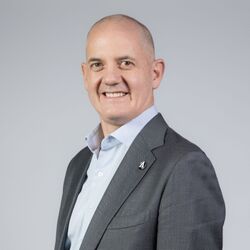
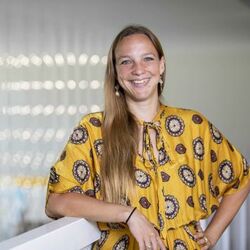
Mariel BOROWITZ
Director of the Center for Space Policy and International Relations, Georgia Institute of Technology
United States