
Growing Importance of Dynamic Space Operations: Need for Green Affordable In-Space Propulsion
Day: Wednesday 25 March
Time: 17:35 -18:05 CET
Location: Seine Room, New CAP Conference Centre
Due to the recent improvements in space launch capability, space access has become affordable, even routine, resulting in a major increase in the number of satellites in the low Earth orbits. With the potential implementation of fully reusable heavy launch systems (i.e. Starship rocket), the trend is expected to continue with an accelerating paste. Overcrowding of near space and new use cases for LEO satellites and their constellations have increased the need for in-space operations that require substantial orbital maneuvering. Some of the important use cases for these dynamic space operations are constellation placement (including indirect RAAN shift), servicing/refueling of spacecraft, orbit debris removal and defense related applications. The new paradigm of increased mobility in space generated the need for low cost and green propulsion as an alternative to the conventional hydrazine-based systems. Many new space companies are developing orbital transfer vehicles that are using new propulsion systems with focus on affordability and ease of operations. Nitrous oxide/hydrocarbon liquid propulsion, hybrid rockets, water propulsion, hydrogen peroxide thrusters, pulsed plasma truster are some of the important new generation systems that are currently in operation or under development. Turkish companies, such as Fergani and DeltaV, have made important progress in the development of orbital transfer vehicles and new in-space propulsion technologies including hydrogen-peroxide monopropellant systems and nitrous oxide-based hybrid rocket propulsion systems. The space qualification of both systems is complete, and they are currently being used in commercial missions. An orbital transfer vehicle developed by Fergani Space propelled by a novel hybrid propulsion system successfully raised the orbit of a satellite from 500 km to 700+ km. This was the first ever firing of a hybrid rocket in space, which opened the possibility of green, truly low cost and safe propulsion for missions requiring high delta V maneuvers. A similar hybrid system will be used in 2027 to transfer Türkiye’s first lunar probe from Earth orbit to the Moon surface.
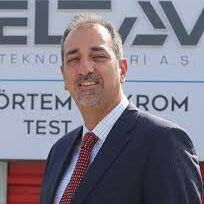
Speaker
As part of the IAF Spring Meeting Global Networking Forum, the Local Organizing Committee has prepared a short cultural performance to introduce the rich musical heritage of Türkiye.
The duo Hiraeth, formed by Pelin Başar and Mustafa Caner Sezgin, invites the audience on a musical journey through the rich Turkish tradition. Guided by the timeless breath of the ney and the wandering resonance of the oud, their music carries the winds of Anatolia and its neighboring lands, awakening echoes of plurisecular civilizations and a gentle longing for distant times and places.